
Description
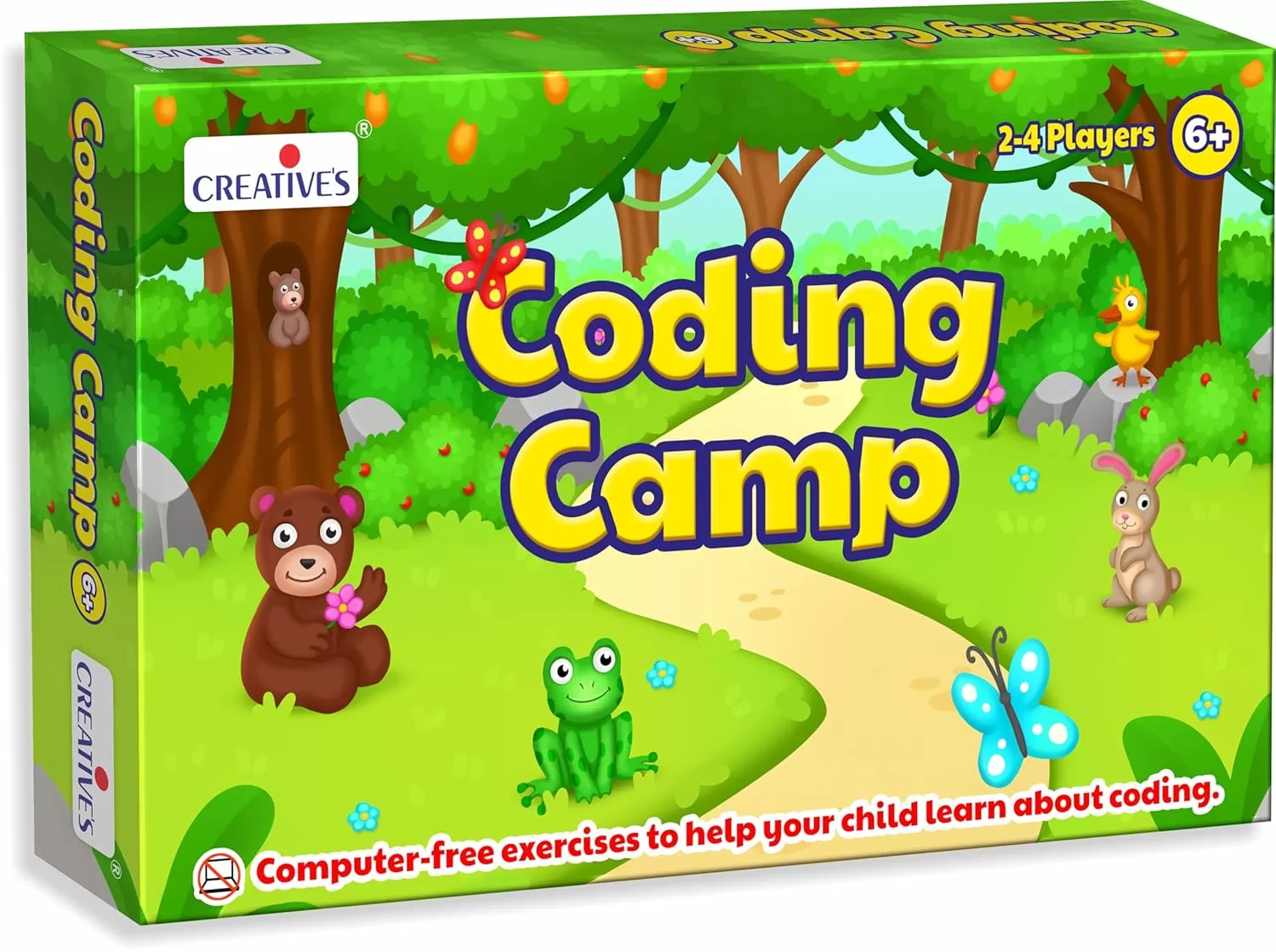
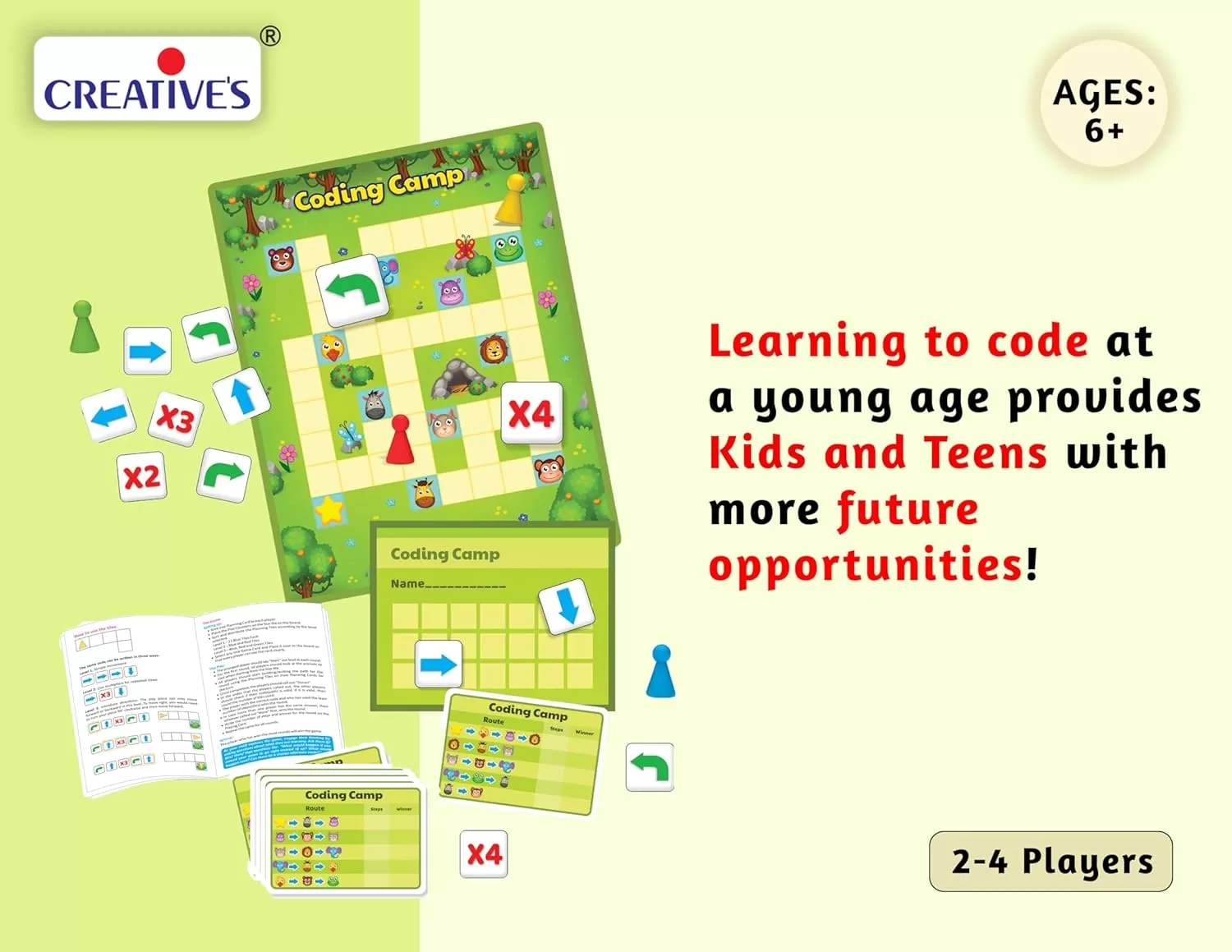
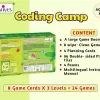
Creative’s Coding Camp is a computer-free coding board game for 2–4
players aged 6 and above that teaches the fundamental techniques of
coding through gameplay — without a screen, device, or prior computer
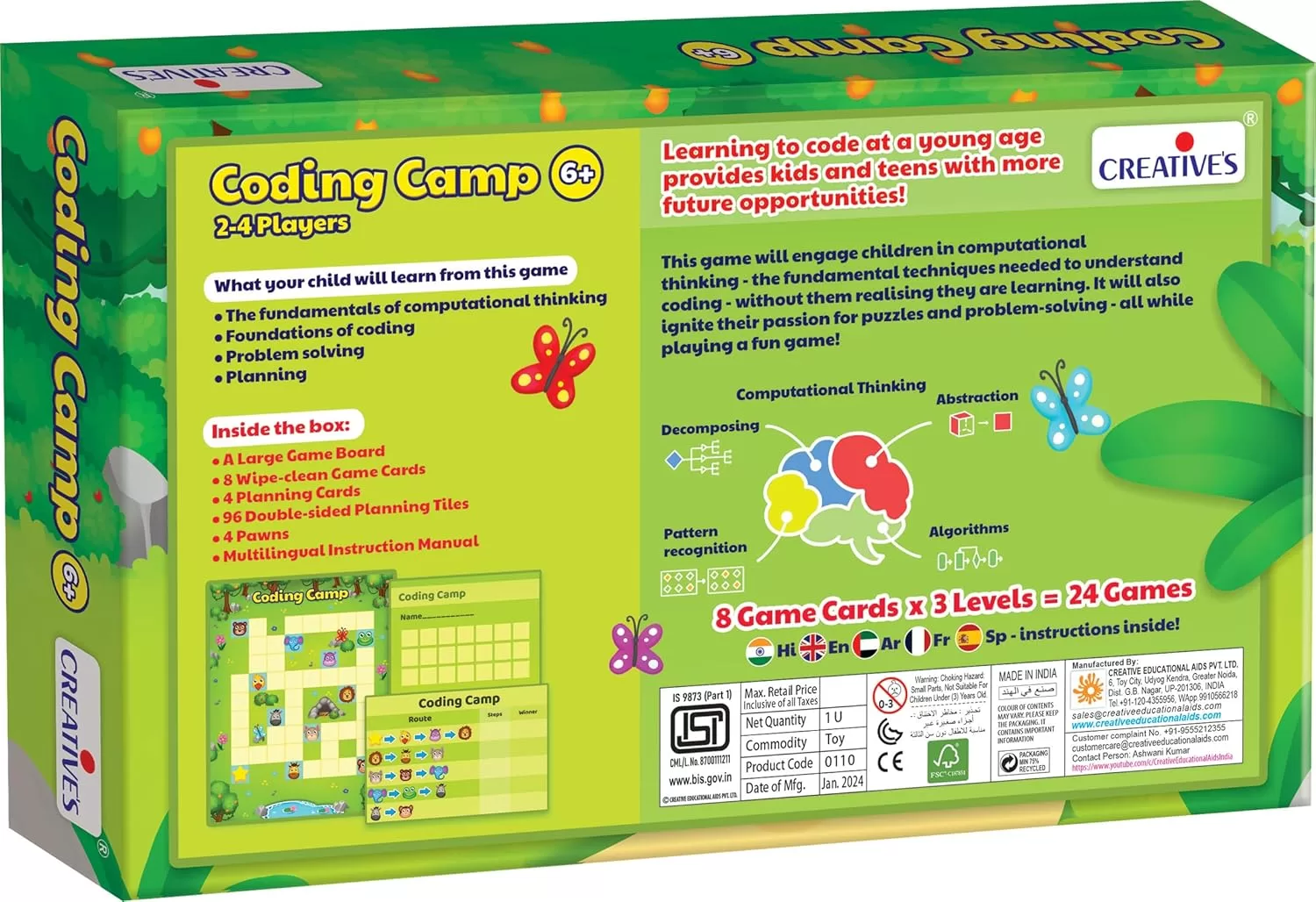
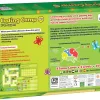
experience required. The rear box states it directly: this game engages
children in computational thinking — the foundations of coding
without them realising they are learning.
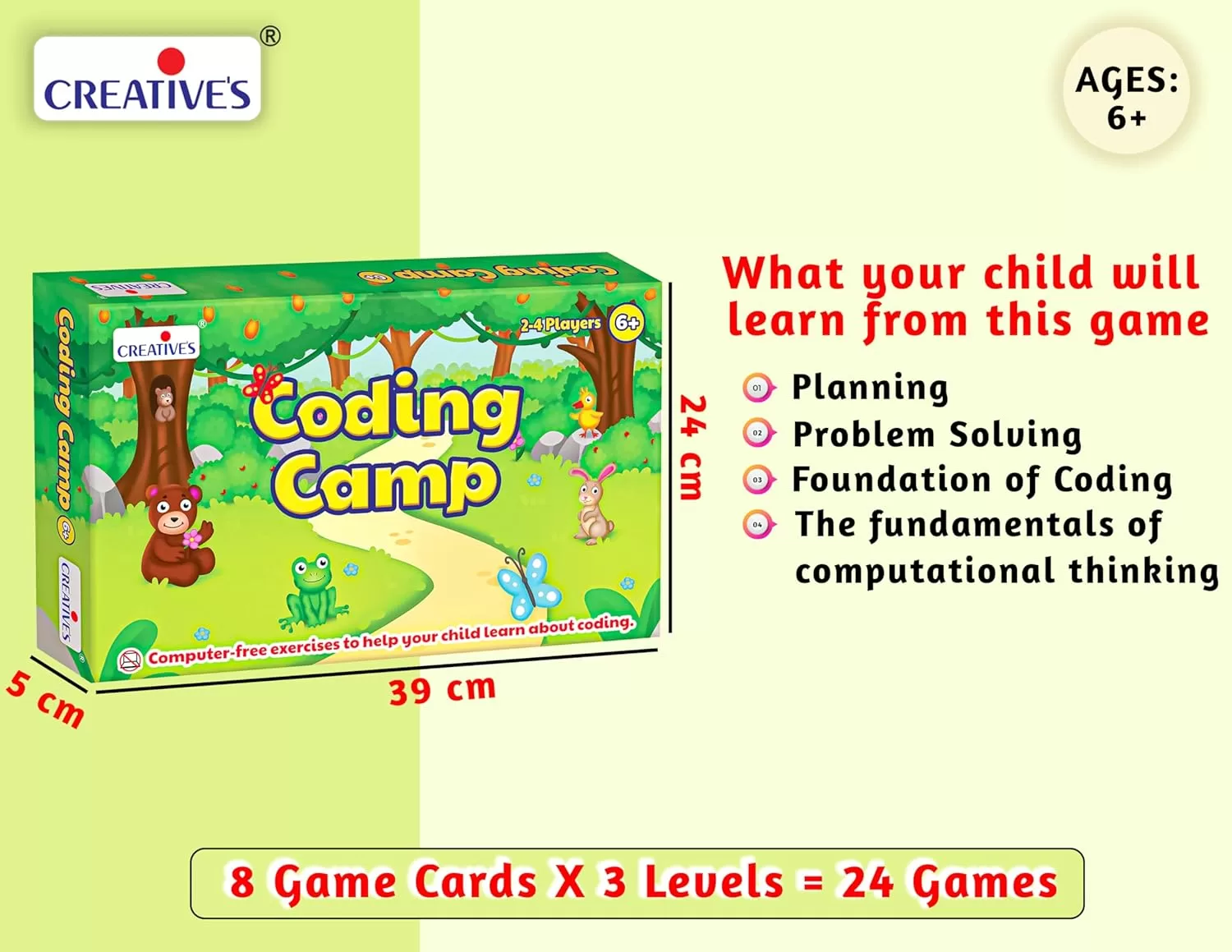
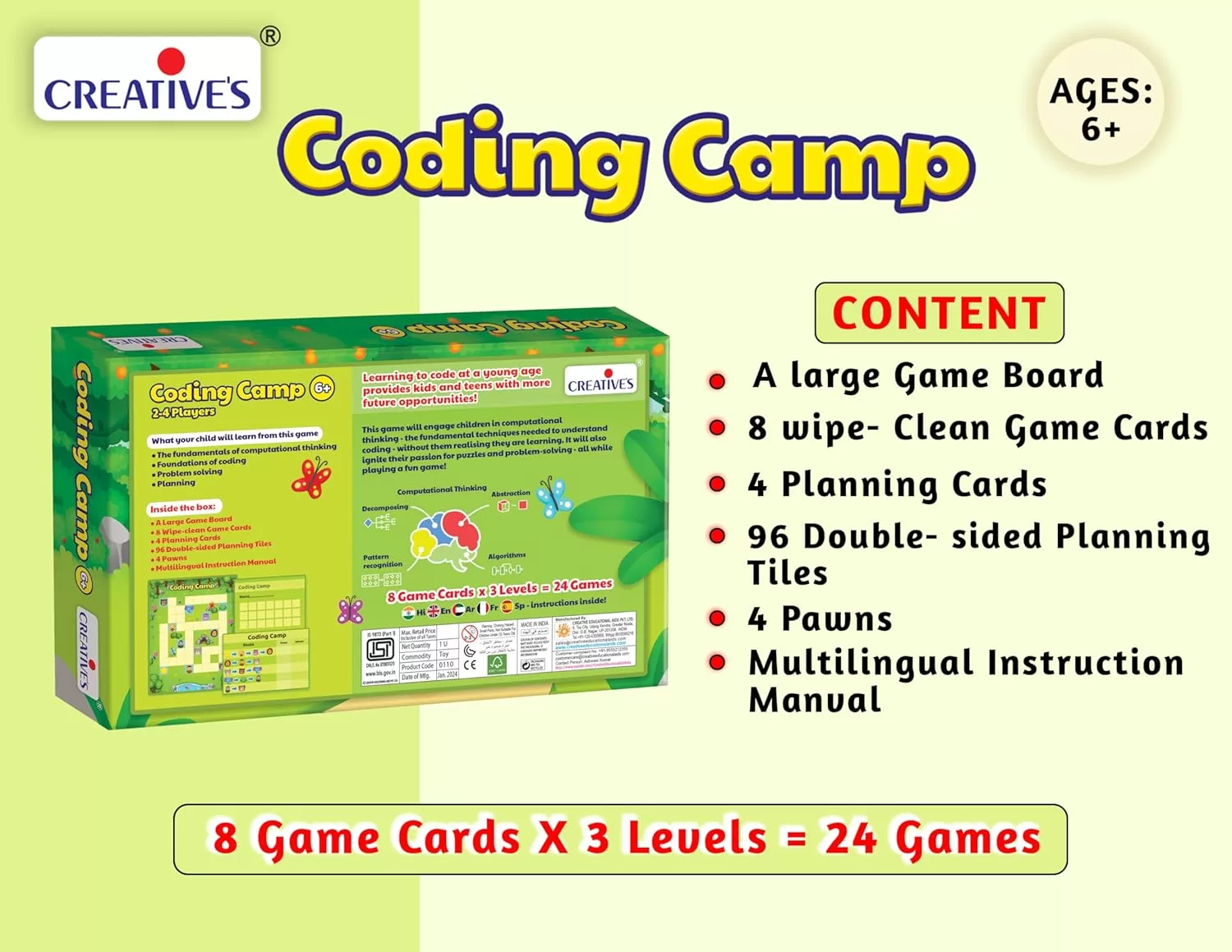
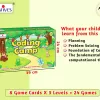
8 wipe-clean game cards, each playable at 3 difficulty levels, generate 24
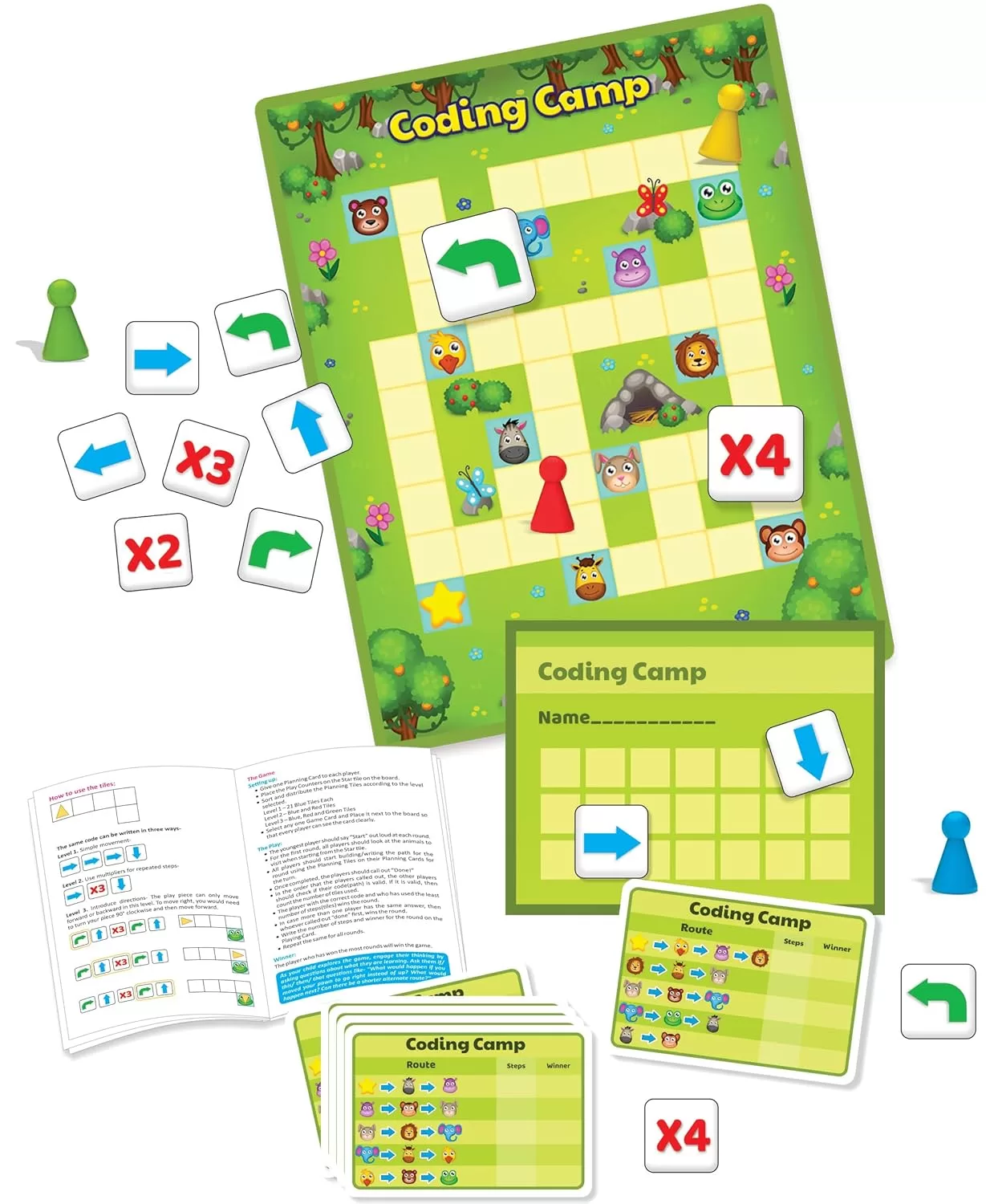
distinct coding games. Players use 96 double-sided planning tiles to plan
their route on 4 planning cards before moving their pawn physically
laying out an algorithm before executing it on the large game board.
The 5 core coding concepts — computational thinking, algorithms,
decomposing, pattern recognition, and abstraction are built into every
game mechanically, not taught through instruction.
Parents choose Coding Camp because it builds the coding mindset
thinking in sequences, planning before acting, debugging when things
go wrong — at age 6, years before formal computer science begins, and
entirely through play. Teachers choose it because the 24 games across
3 difficulty levels provide a structured, self-differentiating coding
curriculum that works for individual children and groups of 2–4,
with multilingual instructions making it accessible in any classroom.
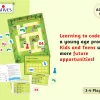
Learning to code at a young age, as the box states, provides children
with more future opportunities.
HOW CHILDREN LEARN
- A child picks a game card, studies the route and obstacles on the
board, and begins planning the steps their pawn needs to take to
reach the goal — this pre-move planning is the core of algorithmic
thinking: working out a sequence of instructions before executing them. - Using 96 double-sided planning tiles to lay out their planned route
before moving, children physically represent an algorithm each tile
is one instruction, each sequence is a programme, and the board
is the computer that runs it. - When a planned route fails — the pawn doesn’t reach the goal, or
gets blocked — children learn to debug: they look at their tile
sequence, identify where the error occurred, and adjust.
This is exactly what a programmer does when code doesn’t
work as expected. - Pattern recognition builds as children play multiple game cards:
they begin to notice that certain obstacle configurations require
similar solutions, and that some planning tile combinations appear
more efficient than others transferring learning across games. - Moving through 3 difficulty levels on the same 8 game cards teaches
children that the same problem can have multiple levels of complexity,
and that the skills they developed on Easy apply with greater precision
on Hard. This builds the growth mindset that STEM learning depends on.
SKILLS DEVELOPED
- Computational Thinking
- Algorithmic Thinking & Sequencing
- Decomposing (Breaking Problems into Steps)
- Pattern Recognition
- Abstraction
- Problem Solving & Logical Thinking
- Planning & Strategic Thinking
WHO IS IT For
- Children aged 6 and above who are beginning to develop logical
thinking and want to understand what coding is without needing
a computer, tablet, or any prior technical knowledge. - Parents who want to build future-ready thinking skills in their child
computational thinking, algorithm design, and problem solving
through a board game that feels like play. - Primary school teachers introducing coding concepts to children
who are not yet ready for screen-based programming
environments a screen-free classroom tool that meets early
STEM curriculum goals. - STEM educators and after-school coding clubs looking for a
physical, multiplayer, self-differentiating coding activity that
works for groups of 2–4 children at mixed ability levels. - Parents reducing screen time who want a coding-focused
activity that develops the thinking behind programming
without adding more device time to a child’s day. - Schools and educators in multilingual environments the instruction
manual is available in Hindi, English, Arabic, French, and
Spanish, making this game globally accessible across diverse
classrooms.